

A Wood Burning Stove in Your Conservatory
A wood-burning stove in your conservatory can be a great option to keep the room warm all year round. It's cheaper than underfloor heating, and more efficient than electric heaters.
However, there are a few points to be considered before installing a. For instance, it's important to comply with building regulations by preventing the flu from combustible doors and walls.
Cost
A wood stove can be a beautiful centerpiece in your conservatory, and it will provide warmth and comfort. You can also save money on heating expenses. The initial investment can be costly. The price can be increased if a flue is needed or if the conservatory has to be altered. During the initial inspection, your local showroom can give you the costs.
If you live in an area that is smoke-controlled that is smoke-controlled, you must use a DEFRA-approved stove and only burn smokeless fuels. This will prevent the wood smoke from causing a fire risk. You can also heat your conservatory using gas stoves or electric stoves.
The cost of installing a stove made of logs in your conservatory will depend on the type of wood-burning stove you select the installation requirements, as well as the additional components needed to complete the project. The flue system, as an example, will require a noncombustible foundation that is big enough to allow for the stove to expand 300mm in front and 150mm on either side. It must also be 12mm thick. To ensure compliance with building regulations the flue pipe should also be insulated.
There are no rules for installing a fireplace in a conservatory. However, it is important to be familiar with the general building codes that are applicable to chimneys and stoves. For instance, the stove should be located at least 2.3 metres away from any combustible materials and must be at least 1 one metre above the roof. In addition, the flue must be at least 425mm from any combustible material and have an unflammable hearth that is at minimum 50mm thick.
You can install a woodburning stove in your conservatory without having to install a chimney if you opt for an integral flue system. This kind of stove could be a great option for those who don't want to spend a lot of money on installation. The price for this kind of stove will vary from brand to brand but most are priced at about PS3,000.
A log-burning fireplace can be an excellent addition to your conservatory if you reside in an area that is smoke-free. You should be aware that wood smoke may cause negative effects on your health. It can be particularly harmful for children, elderly adults and people suffering from lung diseases, such as asthma or chronic obstructive pulmonary disease.
Energy efficiency
Conservatories can be beautiful peaceful space during the summer but get cold and uninhabitable in the fall and winter. A wood burning stove is an alternative to radiators, since it is more efficient and less expensive. It is essential that the stove is installed correctly and complies with building regulations.
A flue system is required to allow smoke to exit the conservatory. It must be at least 2.3m from the wall that connects the conservatory and the house, and must be at least 1m higher than the roof. The flue should be insulated to stop it from becoming too hot and threatening the property.
The most commonly used type of stove used in a conservatory is a DEFRA approved log burner. They are designed to be used in areas that control smoke and are usually rated at around 85 percent efficiency. Available in various sizes and styles, they can be adapted to any home. They do not produce as much heat as gas stoves and are best suited for an area that is well insulated.
wood burning stove in conservatory is crucial to be aware of the different stove types and their efficiency ratings prior to installing one. The majority of manufacturers will mention the efficiency of combustion, while other manufacturers will mention the overall efficiency. Combustion efficiency refers to the amount of heat actually generated by the stove, and overall efficiency is the degree to which the stove is at making heat from fuel.
While it is possible to fit an oven in a conservatory without a chimney, this is more costly and will require the construction of a new chimney. Another option is a double skinned flue pipe, also known as twin wall flue could be inserted to the roof of the conservatory. This has insulating properties that mean the outside of the pipe doesn't heat up and it is placed within a distance of 60mm from combustible materials.
While installing a stove in a conservatory can be an economical and practical choice but it is important to select the right model. You'll need to consider your budget and the size of your conservatory, and the heat output needed.
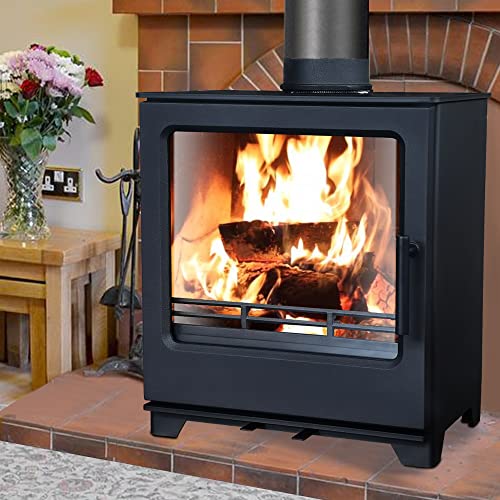
The output of heat
A fireplace with wood in your conservatory will create a focal point to the room and create a warm atmosphere. Before you make a choice you must consider a few things. For instance, you'll have to ensure that the stove is not too close to any flammable materials, and that the flue passes through the roof at a reasonable height. Additionally, you'll have to ensure that there is adequate ventilation to prevent condensation.
It is important to remember that a wood stove has to be installed by a HETAS-registered fitter. This will ensure that the work is in line with UK building regulations and ensures that you are not exposed to any risks. Furthermore, a HETAS fitter is able to assist you with any modifications that may be needed for your conservatory's particular needs.
cast iron wood burning stove will also need to have a suitable hearth for your stove to rest on. This should be a minimum of 12mm thick and large enough to extend 300mm in front of the stove, and 150mm either side. Idealy, the hearth is made of a non-combustible substance such as glass or stone.
It is possible to install your wood burning stove without a chimney in your conservatory, however this is not recommended. It can be hazardous for your family and pose a fire risk. It is best to select an electric fireplace or a stove.
Another issue with installing a wood burning stove in a conservatory is that most modern and efficient stoves require a large flue-draught to operate correctly. This can be problematic for conservatories that adjoin a two-storey house, because the flue gases can enter the windows on the upper floors and cause discomfort to your neighbors.
This problem can be overcome by using insulated twin-wall flue pipes. This type of pipe is designed specifically for use in the conservatory and comes with an insulating layer that prevents it from getting dangerously hot when the stove is used. The pipe can also be positioned on the roof of a conservatory, which is more secure than a standard fireplace.
Safety
As with all stoves, there are some safety concerns in the case of a log burner in the conservatory. This is why it is recommended to employ a qualified installer to install the flue, and ensure that it is in compliance with building regulations. They can advise you on the best location to put the stove and make sure it is compliant with building regulations.
A wood burning stove can be installed in a conservatory with no chimney by using an insulation system. This system, also known as twin wall consists of two pipes stacked in each other and an insulating layer in between. This prevents the pipe becoming dangerously hot and creating a fire risk. Twin wall pipes are also lighter and cheaper than conventional chimneys.
Another option is to install gas-burning stoves in your conservatory. This kind of fire is not as beautiful as a traditional log burning stove, however it provides the same heating and is also more energy efficient than traditional log fires. It is also cheaper to operate and does not require regular cleaning.
Gas stoves are designed to be installed in conservatories, and must be approved by the Gas Safe Register. In addition, it's crucial to follow the manufacturer's guidelines for installation and maintenance. This will prevent any problems with your stove.
The location of your conservatory's location will have an impact on the size and positioning of the flue. For instance, if site your stove close to the wall of your home, it will need to be at minimum 2.3 meters away from the main property to ensure that it is in line with building regulations. In addition the flue has to be at least one millimetre above the conservatory roof.
Another issue is that modern, high-efficiency log burners have very high flue requirements for draught. This could cause turbulence and create smoke in the windows of your upstairs. It is also essential to make use of DEFRA approved fuels for this type of stove if you reside in a smoke-free zone.